
Dmitrii, a structural engineer, explains 2026 code updates, engineered wood advancements, and expert techniques for lasting structural wood repair in LA and Orange County.
Table of Contents
As a Southern California homeowner, have you ever noticed a slight bounce in your floors, a persistent squeak, or perhaps even a visible sag in a beam in your crawl space? These aren't just minor inconveniences; they're often red flags indicating underlying structural wood damage that can compromise the safety and value of your entire home. Ignoring these signs can lead to more extensive and costly problems down the line.
Here at PiersPro, as Dmitrii, owner and lead structural engineer, I've dedicated my career to safeguarding Southern California properties. With California General Contractor License #1110475, our team specializes in diagnosing and implementing permanent, engineered solutions for all forms of structural wood repair, from addressing dry rot and termite damage to reinforcing sagging floor joists and replacing critical beams. With the new 2025 California Building Standards Code (Title 24) now mandatory as of January 1, 2026, understanding the latest in structural wood repair is more crucial than ever for protecting your investment.
Navigating 2026 Building Codes & Advanced Materials for Lasting Repairs
The landscape of structural repair in Southern California is continuously evolving, driven by seismic considerations, environmental factors, and the latest building code updates. The 2025 California Building Standards Code (Title 24), which became mandatory on January 1, 2026, brings significant changes, including updated structural design requirements and a heightened focus on the resilience of exterior elevated elements (EEEs) like balconies and decks under legislation like SB 721 and SB 326. This means that any structural wood repair, especially those requiring permits, must adhere to these rigorous new standards, ensuring a safer and more durable outcome.
One of the most impactful advancements in modern structural wood repair is the increasing use of engineered wood products (EWPs). Materials like Laminated Veneer Lumber (LVL) and Glued Laminated Timber (Glulam) are revolutionizing how we approach beam replacement and joist reinforcement. These products are manufactured to be stronger, more stable, and more resistant to environmental factors like warping, shrinking, and splitting than traditional solid lumber. When a beam is severely compromised by dry rot, water damage, or overloading, replacing it with a properly sized engineered glulam beam can provide superior strength and longevity, often exceeding the capabilities of older construction.
Furthermore, modern repairs prioritize not just fixing the damage, but also addressing the root cause. This often involves comprehensive moisture control strategies, especially in vulnerable areas like crawl spaces. Effective solutions include proper ventilation, drainage systems, and vapor barriers to prevent the conditions that lead to dry rot, mold, and termite infestations in the first place. Preservative-treated wood, which conforms to AWPA U1 standards, is also crucial for wood members in contact with masonry, concrete, or exposed to weather.
Expert Techniques for Common Structural Wood Challenges
Many homeowners reach out to us with similar concerns, from bouncy floors to visible signs of decay. Our approach combines thorough inspection with precise, engineered techniques to deliver permanent solutions.
Tackling Dry Rot and Termite Damage
Dry rot, caused by a specific type of fungus, can silently devastate your home's wooden structure, leaving it brittle and structurally compromised. Termites, unfortunately common in Southern California, only exacerbate the problem, hollowing out wood along the grain. A superficial patch-up won't suffice. Our process begins with a detailed inspection to identify the full extent of the damage and, critically, its moisture source. We then carefully remove all compromised wood, treat the surrounding areas with appropriate fungicides or borate solutions, and replace the damaged sections with new, structurally sound, and often preservative-treated lumber.
Beam Replacement and Reinforcement
Beams are fundamental load-bearing elements. Damage to these can be severe and often requires a permit for repair or replacement due to their structural significance. We consider the condition of the existing beam, the cause of the damage (e.g., overloading, age, dry rot), and current seismic requirements. While localized repair is sometimes possible, replacing a severely compromised beam, particularly in older homes built before modern seismic codes, with a robust engineered wood product like glulam is often the safest and most permanent solution.
Sistering Floor Joists for Sagging Floors
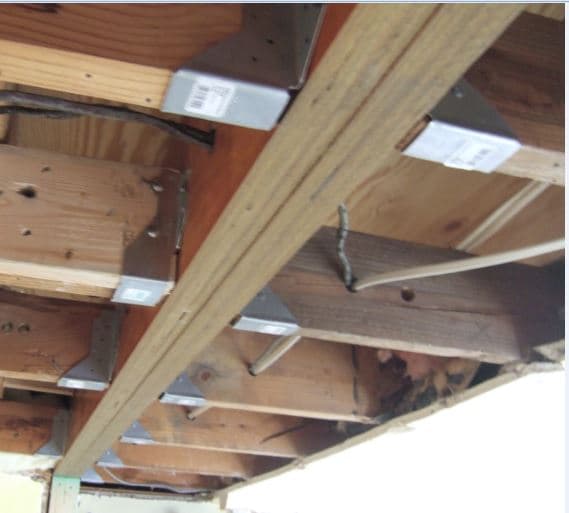
Sagging or bouncy floors are a common complaint. This is typically due to weakened or undersized floor joists. Sistering a joist involves attaching a new, often full-length, joist alongside the existing one, effectively doubling its strength and improving stability. However, simply bolting a new joist to a sagging one will 'lock in' the sag. As Dmitrii, I emphasize that the original joist *must* be carefully jacked back to a level position *before* the sister joist is securely fastened using appropriate structural fasteners like carriage bolts with washers and nuts for maximum connection strength. We strictly adhere to building code guidelines regarding notching and boring of joists to maintain their structural integrity.
This is where the expertise of a structural engineer and general contractor becomes invaluable. We don't just fix the symptom; we provide engineered, code-compliant solutions that restore the long-term integrity of your home. These critical repairs often originate from issues within your Crawl Space, highlighting the interconnectedness of your home's structural components.
Structural Wood Repair Options & Considerations
| Damage Type | Typical Solution | Key Considerations |
|---|---|---|
| Dry Rot / Termites | Removal, Treatment, Wood Replacement | Identify moisture source, use treated lumber, pest control |
| Sagging Floor Joists | Sistering Joists (after leveling) | Full-span preferred, proper fasteners, code compliance |
| Compromised Beams | Replacement with Engineered Lumber | Load paths, seismic code, permit required |
| Moisture Damage | Remediation, Waterproofing, Drainage | Ventilation, vapor barriers, exterior grading |
Frequently Asked Questions About Structural Wood Repair
Q: When is a permit required for structural wood repair in Southern California?
A: In Southern California, permits are explicitly required for most alterations that affect your home's structural envelope. This includes replacing or sistering damaged floor joists, girders, or significant subflooring assemblies. Always consult with a licensed contractor and your local building department (like LADBS in Los Angeles) to ensure compliance. Attempting unpermitted structural work can lead to significant penalties, costly rework, and potential safety hazards.
Q: How can I differentiate between minor wood rot and severe structural damage?
A: Minor surface rot might appear as discoloration, but structural dry rot often makes the wood feel spongy, crumbly, or hollow when probed. You might also notice a distinct musty odor. However, determining the severity and whether load-bearing components are compromised requires a professional inspection. A licensed structural engineer or experienced contractor can accurately assess the extent of the damage and recommend the appropriate course of action.
Q: Is it always necessary to replace a damaged beam, or can it be repaired?
A: The decision to repair or replace a beam depends entirely on the extent of the damage, the beam's structural role, and compliance with current building codes. For minor, localized damage, a repair might be feasible. However, for severe dry rot, extensive water damage, or if the original beam was undersized for its current load, a full replacement with a new, properly engineered beam is often the safest and most durable solution, especially considering the seismic activity in Southern California.
Q: What role does my crawl space play in maintaining structural wood integrity?
A: Your crawl space is a critical component of your home's foundation system and directly impacts the health of your structural wood. Poor ventilation, high humidity, and standing water in the crawl space are primary contributors to dry rot, mold growth, and termite infestations. Proper Crawl Space Services, including encapsulation, moisture barriers, and adequate ventilation, are essential preventative measures to protect your wood framing and ensure the longevity of your structural repairs.
Secure Your Home's Future with PiersPro
Don't let structural wood issues compromise the safety and value of your Southern California home. From the early warning signs of a bouncy floor to visible dry rot and cracked beams, PiersPro offers expert, permanent solutions grounded in the latest engineering principles and building codes.
As Dmitrii, I lead a team committed to delivering exceptional quality and peace of mind. Our expertise extends beyond simple repairs; we provide comprehensive Foundation Repair services, ensuring your entire home's stability. For a thorough assessment and a tailored plan to address your structural wood repair needs in Los Angeles or Orange County, contact PiersPro today.
Call us directly at (213) 583-6669 or Book a Free Inspection through our website. Let us help you protect your most valuable asset with solutions built to last.