
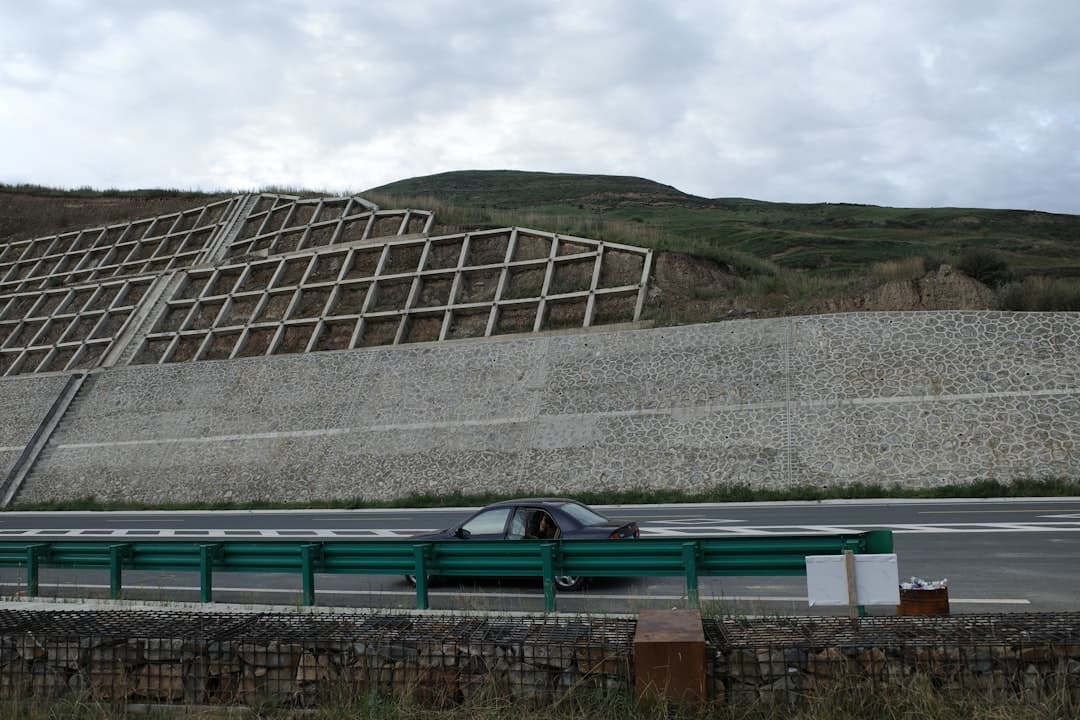
Discover the latest in retaining wall technology, engineering, and Southern California regulations for 2025/2026. Protect your property with cutting-edge, permanent solutions.
Table of Contents
- The Critical Role of Retaining Walls in Southern California's Landscape
- Navigating Southern California's Latest Regulations (2025/2026)
- Engineering the Future: Innovations in Retaining Wall Design & Repair
- Your Partner for Comprehensive Retaining Wall Solutions
- Key Considerations for Your Retaining Wall Project
- Frequently Asked Questions About Retaining Walls
- Ensure Your Property's Stability: Contact PiersPro.com Today
Is your Southern California property on a slope, or do you have tiered landscaping that relies on retaining walls? For homeowners, landlords, and property managers in Los Angeles and Orange County, a failing retaining wall isn't just an eyesore; it's a significant structural risk, especially with our region's unique seismic activity and intense rain seasons. From hairline cracks to ominous bulging, the signs of distress can quickly escalate into costly and dangerous structural failures, including landslides that threaten homes and lives. At PiersPro.com, we understand these concerns deeply, and as expert structural engineers and general contractors, we are committed to providing permanent, high-value solutions that blend modern engineering with local compliance.
The Critical Role of Retaining Walls in Southern California's Landscape
Retaining walls are fundamental to managing sloped terrains, preventing soil erosion, and creating usable, level ground. In Southern California, where properties often abut hillsides or feature intricate terraced gardens, these structures are more than just landscaping elements; they are vital for property stability and safety. However, their constant battle against gravity, expansive soils, and hydrostatic pressure, exacerbated by seismic forces and heavy rainfall, makes them particularly vulnerable to failure.
Common culprits behind retaining wall distress include:
* Hydrostatic Pressure: Poor or inadequate drainage systems can lead to water buildup behind the wall, creating immense pressure that can cause bulging, cracking, or even collapse. This is especially critical during Southern California's wet winters.
* Soil Movement & Expansion: Our region's soils can be highly expansive, swelling when wet and shrinking when dry. This constant movement exerts stress on walls. Additionally, seismic activity can accelerate soil instability and lead to catastrophic failures, making proactive foundation repair crucial.
* Improper Design or Construction: Many older walls were built without proper engineering, inadequate foundations, or insufficient reinforcement, making them prone to early failure. Lack of geotechnical analysis is a common oversight.
* Age and Material Degradation: Over time, materials like concrete, timber, or masonry can degrade due to weathering, corrosion, or insect infestation, compromising the wall's integrity.
Addressing these issues proactively is crucial. Sometimes, what appears to be a minor crack can signal a deeper structural problem that requires immediate attention. Ignoring these signs can lead to severe consequences, including damage to your home's foundation or widespread hillside instability. Our team specializes in assessing these complex conditions and designing robust drainage systems to protect your investment.
Navigating Southern California's Latest Regulations (2025/2026)
The landscape of building codes and regulations is constantly evolving, and 2025/2026 brings important updates for property owners in Southern California. Effective January 1, 2026, the new 2025 California Building Standards Code (Title 24) is now in effect, requiring all new permit applications to comply with its revised structural design requirements, including the adoption of ASCE 7-22 as the governing standard for seismic, wind, and other environmental loads.
For homeowners, navigating the Los Angeles Department of Building and Safety (LADBS) and Orange County regulations for retaining walls is paramount. Key requirements and considerations include:
* Permit Requirements: Generally, a building permit is required for any retaining wall exceeding 4 feet in height measured from the bottom of the footing to the top of the wall. If the wall supports a surcharge (e.g., a sloping retained soil, adjacent vehicle loads, or nearby structures), a permit is typically required even for walls under 4 feet (or 3 feet of exposed height). Hillside retaining walls, in particular, will face longer permit timelines, ranging from 8-16 weeks.
* Soils and Geotechnical Reports: For projects involving grading, hillside construction, or foundation work, updated requirements for compaction, soils reports, and shoring plans are in place for 2026. These amendments clarify documentation needs and inspection triggers, often requiring additional geotechnical reporting, especially for walls over 6 feet.
* Prohibited Materials: The California Building Code generally prohibits retaining walls made of wood due to durability concerns. While some very low-height wood walls might be allowed under specific local provisions without a permit, permanent solutions typically require more robust materials.
* Hillside Grading Areas: LADBS has specific, stringent requirements for hillside projects, including engineered grading for all work regardless of volume, exploratory work by soils engineers and engineering geologists, and specific requirements for haul routes and erosion control.
Ensuring compliance with these up-to-date codes is not just a legal necessity but a critical step in guaranteeing the safety and longevity of your retaining wall. As a California General Contractor with License #1110475, PiersPro.com is uniquely qualified to design, permit, and construct retaining walls that meet all state and local standards.
Engineering the Future: Innovations in Retaining Wall Design & Repair
The field of structural engineering is continuously advancing, and retaining wall technology is no exception. At PiersPro.com, we embrace these innovations to provide our Southern California clients with the most durable, sustainable, and cost-effective solutions available today.
Sustainable Solutions and Advanced Materials
Modern retaining wall construction is increasingly focused on environmental responsibility without sacrificing strength or aesthetic appeal. In 2025 and 2026, trends point towards:
* Eco-Friendly Concrete Alternatives: New low-carbon concretes and geopolymer blends reduce CO₂ emissions and often incorporate recycled aggregates like crushed glass and fly ash, offering exceptional strength and durability.
* Recycled Plastics and Composites: These materials provide excellent resistance to moisture, insects, and decay, making them ideal for challenging environments. They are lightweight and offer customizable aesthetics.
* Gabion Walls: Wire cages filled with recycled local stone or even broken concrete offer a high-drainage, eco-friendly alternative with a rustic, natural aesthetic, promoting biodiversity.
* Living Retaining Walls: Integrating vegetation into retaining structures helps filter pollutants, stabilize soil, and enhance landscape aesthetics, contributing to eco-conscious designs.
Geosynthetic Reinforced Soil (GRS) Walls: The Modern Standard
Geosynthetic Reinforced Soil (GRS) retaining walls represent a significant advancement in earth retention technology. These systems utilize layers of geosynthetic materials (like geogrids or geotextiles) placed within the soil mass behind the wall face. This reinforcement creates a composite structure that offers numerous advantages, particularly in seismically active regions like Southern California:
* Enhanced Stability and Seismic Resistance: GRS walls are more ductile and less prone to sudden collapse compared to conventional rigid walls. Their inherent flexibility allows them to better tolerate differential settlement and resist seismic forces.
* Cost-Effectiveness and Faster Construction: By combining geosynthetics with locally available soils, GRS walls can reduce project costs and construction time compared to traditional methods, minimizing excavation and imported materials.
* Adaptability: GRS walls can be adapted to a variety of backfill materials, offering versatile solutions for diverse site conditions.
Smart Monitoring Systems: Proactive Protection
The future of retaining wall management involves 'smart' technologies that provide real-time insights into structural health. Integrated sensors are now capable of monitoring:
* Wall Inclination and Deformation: Wireless tilt sensors and shape arrays track angular changes, lateral displacement, and deformation, identifying potential instability early.
* Pore-Water Pressure: Piezometers monitor groundwater pressure behind the wall, a critical factor in preventing hydrostatic pressure buildup and related failures.
* Crack Monitoring: Sensors can measure the opening and movement of cracks, indicating repair needs and the wall's structural integrity.
* Automated Alerts: These systems can send immediate notifications to property owners or engineers when pre-set thresholds are exceeded, allowing for timely intervention and preventing catastrophic failures.
Cutting-Edge Repair: Carbon Fiber Reinforcement
For existing retaining walls showing signs of distress, innovative repair techniques offer lasting solutions. Carbon Fiber Reinforced Polymer (CFRP) systems are a groundbreaking, non-invasive method for strengthening compromised walls. By adhering directly to the external face of the wall, carbon fiber provides significant strength enhancement (e.g., approximately two times greater than a #5 rebar), corrosion resistance, and protection against seismic activity. This method avoids extensive drilling or excavation, preserving the wall's integrity and appearance while extending its lifespan.
Your Partner for Comprehensive Retaining Wall Solutions
At PiersPro.com, we combine decades of experience with the latest engineering advancements to provide Southern California homeowners with retaining wall solutions that are safe, permanent, and cost-effective. Whether you need a new retaining wall designed and built to withstand our unique geological challenges or an existing wall repaired and reinforced, our dual-licensed structural engineers and general contractors offer an integrated, seamless process.
From initial geotechnical investigation and 3D digital modeling to material selection and precision installation, we manage every aspect of your project with unparalleled expertise. We prioritize solutions that not only meet the current stringent California building codes but also provide long-term resilience against seismic events and environmental wear. Our commitment is to protect your property and enhance its value with engineering excellence.
Key Considerations for Your Retaining Wall Project
* Purpose & Location: Determine if the wall is for erosion control, creating level usable space, or supporting structures. Hillside locations in Southern California demand specialized design.
* Height & Surcharge: Walls over 3-4 feet or those supporting additional loads (like a driveway or building foundation) almost always require professional engineering and permits.
* Soil Conditions: A thorough geotechnical report is crucial to understand soil type, stability, and drainage characteristics, especially in areas prone to seismic activity or expansive soils.
* Drainage: Proper drainage is non-negotiable. Incorporating weep holes, gravel backfill, and subsurface drainage systems is vital to prevent hydrostatic pressure buildup.
* Materials: Choose materials based on aesthetics, durability, cost, and structural requirements. Consider modern, sustainable options like GRS walls, recycled concrete blocks, or gabions.
* Permitting & Compliance: Always ensure your project adheres to the latest LADBS and California Building Code requirements. Unpermitted work can lead to severe liabilities.
* Professional Expertise: Engage a licensed structural engineer and general contractor experienced in Southern California's unique conditions to ensure a safe, compliant, and lasting solution.
Frequently Asked Questions About Retaining Walls
Q1: When do I need a permit for a retaining wall in Southern California?
A1: A permit is generally required for any retaining wall that is over 4 feet in height, measured from the bottom of the footing to the top of the wall. Additionally, if the wall supports a surcharge (e.g., a sloped area above it, a driveway, or a structure), a permit is likely required regardless of height. Local jurisdictions like LADBS have specific guidelines, especially for hillside properties.
Q2: What are the most common causes of retaining wall failure in Southern California?
A2: The most common causes include poor drainage leading to hydrostatic pressure, expansive or unstable soils, seismic activity, improper design or construction, and material degradation due to age or weathering. Heavy rains and earthquakes significantly contribute to these issues in our region.
Q3: Can a failing retaining wall be repaired, or does it always need to be replaced?
A3: Often, a failing retaining wall can be repaired, depending on the severity and nature of the damage. Minor cracks can be filled, but more extensive issues like leaning or bulging may require earth anchors (tie-backs), carbon fiber reinforcement, or even partial reconstruction. A professional assessment is crucial to determine the most effective and permanent solution.
Q4: What are some of the newest innovations in retaining wall construction for 2025/2026?
A4: Key innovations include the use of Geosynthetic Reinforced Soil (GRS) systems for enhanced stability and seismic resistance, sustainable materials like eco-friendly concrete and recycled composites, smart monitoring systems with sensors for real-time performance tracking, and advanced repair techniques such as carbon fiber reinforcement. These technologies offer more durable, environmentally conscious, and proactive solutions.
Ensure Your Property's Stability: Contact PiersPro.com Today
Don't wait for minor issues to become major disasters. The structural integrity of your retaining walls is vital to the safety and value of your Southern California property. As your trusted experts in foundation repair, crawl space services, and retaining wall construction, PiersPro.com is here to provide engineered, permanent solutions.
Contact us today for a comprehensive assessment and to discuss how the latest innovations in retaining wall technology can secure your home for years to come. Call us directly at (213) 583-6669 or Book a Instrumental Diagnosis through our website. Your peace of mind starts with a strong foundation – and a perfectly engineered retaining wall.