
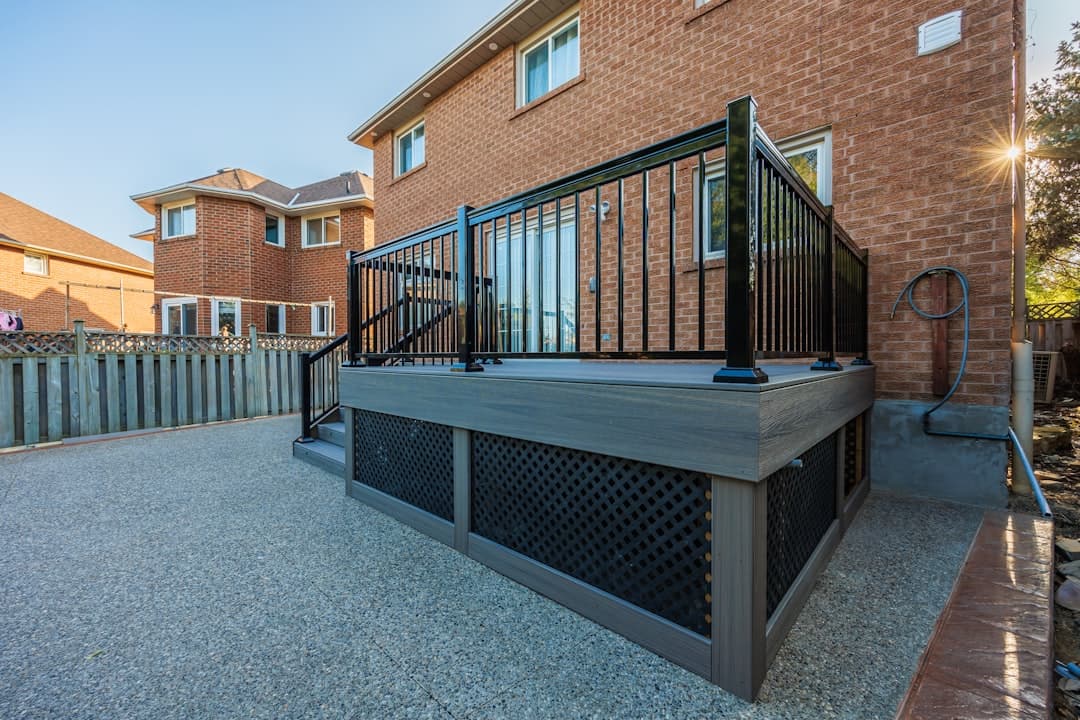
Discover cutting-edge deck waterproofing technologies and critical Southern California regulations (SB 721, SB 326, LADBS) for lasting safety and value.
Table of Contents
- The Cutting Edge: Advanced Deck Waterproofing Systems in 2025/2026
- Navigating Southern California's Strict Deck & Balcony Regulations (SB 721, SB 326, LADBS)
- PiersPro's Approach: Permanent Solutions for Lasting Safety and Value
- Frequently Asked Questions About Deck Waterproofing
- Protect Your Investment with PiersPro
Has your beautiful Southern California deck started showing signs of wear? Perhaps a small crack, a bubbling surface, or even a persistent dampness beneath? These aren't just cosmetic issues; they're red flags for potential hidden water damage that can compromise your property's structural integrity and lead to expensive repairs. As Dmitrii, owner and lead structural engineer at PiersPro, I've seen firsthand how neglected deck waterproofing can result in hazardous conditions and significant financial burdens for homeowners and property managers. With the rapid advancements in waterproofing technology and stricter local regulations in 2025/2026, ensuring your deck is properly protected is more critical than ever. We're here to guide you through the latest innovations and compliance requirements to safeguard your investment.
The Cutting Edge: Advanced Deck Waterproofing Systems in 2025/2026
The era of 'just painting over it' is long past. Today's deck waterproofing systems are sophisticated, multi-layered assemblies designed to withstand Southern California's unique climate, from intense UV exposure to seasonal rains. We're seeing continuous innovation from leading manufacturers, focusing on superior durability, flexibility, and environmental responsibility. These aren't just incremental improvements; these are 'next-generation' systems designed for superior performance.
One significant trend is the development of enhanced polymer technologies. These newer formulations offer exceptional UV resistance, crucial for our intense SoCal sun, preventing the material from degrading, chalking, or cracking prematurely. They also boast superior 'crack bridging' capabilities, meaning the membrane can flex and span minor structural movements or hairline cracks in the substrate without losing its waterproof integrity – a vital feature for seismic resilience. We're also seeing advancements in application efficiency and cure times, with modern systems engineered to adhere more effectively and cure faster, minimizing disruption to your home life and accelerating project completion without compromising durability.
Beyond these, general engineering innovations include advanced slip-resistant technologies with customizable traction levels, enhancing safety for all outdoor spaces. There's also a strong push towards more sustainable and low-VOC (Volatile Organic Compound) formulations, aligning with updated environmental regulations and homeowner preferences for healthier living spaces. Some truly fascinating developments include self-healing waterproofing materials, which can automatically seal small cracks when exposed to moisture, and integrated moisture sensors for 'smart' protection, alerting you to potential leaks before they cause significant damage.
Leading manufacturers are constantly refining their offerings:
* Westcoat: For 2026, Westcoat has streamlined its product lineup, integrating Mer-ko systems and enhancing their SC-10 Acrylic Topcoat for improved chemical and stain resistance, with a refreshed semi-gloss sheen for better cleanability. Their ALX™ and MACoat® systems offer the highest level of fire protection, with Class A Roof Covering and One-Hour Fire-Resistance ratings, crucial for California's evolving Wildland-Urban Interface (WUI) regulations and compliance with the Los Angeles Building Code (LABC).
* Pli-Dek Systems: Renowned for their fluid-applied, cold rubber waterproofing membranes and proven cementitious solutions, Pli-Dek systems are ideal for high-traffic pedestrian balconies and roof decks. Many Pli-Dek systems are Class 'A' Fire Rated and BML Listed, including specific Inclement Weather (IW) Systems and are the first cementitious deck coating with a BML Listing for Decking for Wildland Urban Interface (WUI). They are specifically designed to meet California's strict building and safety standards, including SB 326 and SB 721 requirements.
* Desert Brand: Their Desert Crete® system remains a top choice for an eco-friendly, durable, and UV-resistant waterproofing solution capable of enduring heavy foot traffic and is rated as a fire retardant for roof decks. The Desert Flex® system is excellent for restoring existing decks, enhancing both waterproofing and aesthetic appeal.
* Enduro-Kote: Enduro-Kote offers economical, water-based acrylic systems with low VOCs. Solutions like Enduro-Kote XL are fast-drying and durable for plywood over occupied spaces, while the Enduro-UT System provides a robust waterproof membrane for tile applications.
Navigating Southern California's Strict Deck & Balcony Regulations (SB 721, SB 326, LADBS)
Southern California's commitment to public safety has led to significant legislation impacting exterior elevated elements (EEEs) like decks and balconies. Laws such as SB 721 and SB 326 mandate regular inspections and timely repairs to prevent structural failures caused by water intrusion and wood rot. These laws exist because of real balcony failures that injured and killed people.
For multi-family apartment buildings (3+ units), SB 721 required the first inspections by January 1, 2026 (extended from 2025), with subsequent inspections every six years. Condominiums and HOAs fall under SB 326, which mandated initial inspections by January 1, 2025 (though some deadlines were extended), and then every nine years thereafter. These inspections must be performed by licensed structural engineers or architects, meticulously evaluating load-bearing components and, crucially, waterproofing elements.
In Los Angeles, the LADBS (Los Angeles Department of Building and Safety) enforces the California Building Code with local amendments. This means permits are often required for all waterproofing membrane replacements, especially over occupied spaces, and frequently mandates Class A fire-rated systems for multi-family buildings. It's also vital that systems have ICC-ES evaluation reports for code compliance verification. Remember, a deck over occupied space is functionally a roof, and codes treat that surface the same way they treat any roof assembly. When SB 721/326 inspections identify waterproofing failures, repairs *must* use code-compliant systems, which, for permitted work over occupied space, means an ICC-ES AC39 evaluated system installed by a licensed contractor.
PiersPro's Approach: Permanent Solutions for Lasting Safety and Value
At PiersPro, we pride ourselves on delivering permanent, engineered solutions that protect your property for decades. As a California General Contractor (License #1110475), I, Dmitrii, ensure that every deck waterproofing project we undertake meets the highest standards of safety, durability, and code compliance. We don't just apply a temporary fix; we identify the root cause of water intrusion and implement a comprehensive system using the latest, most reliable materials available.
Our commitment to cost-effectiveness means investing in a superior system once, rather than facing recurring repairs down the line. We specialize in robust Deck Waterproofing Systems that integrate seamlessly with your property's structure. For properties with existing damage, our expertise extends to Balcony Structural Repair and specialized Balcony Waterproofing to address specific needs and ensure long-term integrity.
When evaluating your deck waterproofing needs, consider these essential factors:
* Compliance: Is the system compliant with current LADBS codes, SB 721, and SB 326, especially for multi-family dwellings? Ensure permits are pulled when required.
* Durability & Lifespan: Look for systems with a proven track record of longevity (typically 10-20+ years when properly maintained and installed). Advanced systems can last 15-25 years or even longer in Southern California.
* Flexibility/Crack Bridging: Ensure the system can accommodate minor structural movements and prevent hairline cracks from compromising the waterproof membrane.
* Applicator Expertise: The most critical factor for a successful installation.
Frequently Asked Questions About Deck Waterproofing
Q: How long do modern deck waterproofing systems last in Southern California?
A: With expert installation and proper care, advanced deck waterproofing systems from reputable manufacturers can easily last 15-25 years or even longer in the Southern California climate. Factors like direct sun exposure, traffic, and maintenance practices will influence the exact lifespan.
Q: What are the signs I need new deck waterproofing?
A: Common signs include visible cracks in the coating, bubbling or peeling of the surface, standing water, water stains on ceilings or walls below the deck, wood rot, or a 'spongy' feel when walking on the deck surface.
Q: Do I need a permit for deck waterproofing in Southern California?
A: Yes, in most cases. Significant deck waterproofing membrane replacements, especially over occupied spaces, typically require a permit from your local building department (e.g., LADBS). This ensures the work meets current building codes and structural requirements.
Q: How often should I have my deck waterproofing inspected?
A: While modern systems are designed for longevity, typically 10-20 years or more, regular inspections are key. We recommend an annual visual check and a professional inspection every 5-7 years, or immediately if you notice any cracks, peeling, or signs of water intrusion. For multi-family properties, state laws like SB 721 and SB 326 mandate inspections every 6 or 9 years, respectively.
Protect Your Investment with PiersPro
Don't wait for a small leak to become a catastrophic structural problem. Investing in high-quality, code-compliant deck waterproofing is an investment in your property's safety, longevity, and value. With the latest innovations and our expert application, you can enjoy peace of mind knowing your deck is protected against the elements.
Ready to discuss your deck waterproofing project or need a professional assessment? Contact PiersPro today for a personalized consultation. Call Dmitrii directly at (213) 583-6669 or Book a Free Inspection online. Let us provide the permanent, engineered solution your Southern California property deserves.