
Discover the latest in foundation waterproofing for Southern California. Learn about smart systems, advanced membranes, and 2026 code updates to protect your home's integrity and value.
Table of Contents
- The High Cost of Neglect: Why Modern Waterproofing is a Must-Have
- Cutting-Edge Waterproofing Technologies for 2025-2026
- Integrated Drainage and Structural Integrity: A Multi-Layered Defense
- Navigating Southern California's Latest Building Codes (2025-2026)
- Your Foundation Waterproofing Options: A Snapshot
- Frequently Asked Questions About Foundation Waterproofing
- Protect Your Southern California Home with PiersPro
Is that persistent musty odor in your crawl space more than just a nuisance? Are you noticing hairline cracks in your foundation walls, or worse, dampness after a heavy rain? For Southern California homeowners, landlords, and property managers, water intrusion isn't just an inconvenience; it's a silent threat to your property's structural integrity, health, and value. With changing weather patterns and the inherent risks of our coastal climate, protecting your foundation from moisture has never been more critical.
At PiersPro, we understand these concerns deeply. As expert structural engineers and general contractors, holding California General Contractor License #1110475, we're dedicated to providing permanent, high-value engineering solutions that safeguard your investment. The world of foundation waterproofing is evolving rapidly, with significant advancements in technologies, materials, and regulations in 2025 and 2026. Ignoring these innovations means risking costly damage down the line. This article will guide you through the latest, most effective waterproofing strategies designed to keep your Southern California home safe, dry, and structurally sound for decades to come.
The High Cost of Neglect: Why Modern Waterproofing is a Must-Have
Water is relentlessly persistent, and if left unchecked, it can lead to a cascade of problems for your foundation. From hydrostatic pressure pushing water through tiny cracks to capillary action drawing moisture upwards, the damage can be extensive. This includes: structural deterioration, wood rot, efflorescence, mold and mildew growth, pest infestations, and compromised indoor air quality. Annually, water damage to home foundations costs Americans over $13 billion. This staggering figure underscores why proactive, modern waterproofing isn't just an upgrade; it's an essential defense for your property.
Old 'tar-based' methods or simple damp-proofing are no longer sufficient against the forces of nature and time. Today's solutions offer superior durability, flexibility, and long-term performance. By investing in advanced foundation waterproofing, you're not just preventing future repairs; you're preserving your home's value, enhancing its safety, and ensuring a healthier living environment. Our comprehensive Foundation Waterproofing services are designed to address these complex challenges with permanent, engineered solutions.
Cutting-Edge Waterproofing Technologies for 2025-2026
The past few years have brought revolutionary advancements to foundation waterproofing. Homeowners in Los Angeles and Orange County now have access to solutions that were unimaginable just a decade ago, offering unprecedented levels of protection and peace of mind.
Advanced Membrane Systems: The Flexible, Durable Shield
Modern membrane systems are at the forefront of foundation protection, offering enhanced durability, flexibility, and ease of application. These systems create a robust, continuous barrier against water intrusion, often outperforming traditional coatings that can crack as a foundation settles.
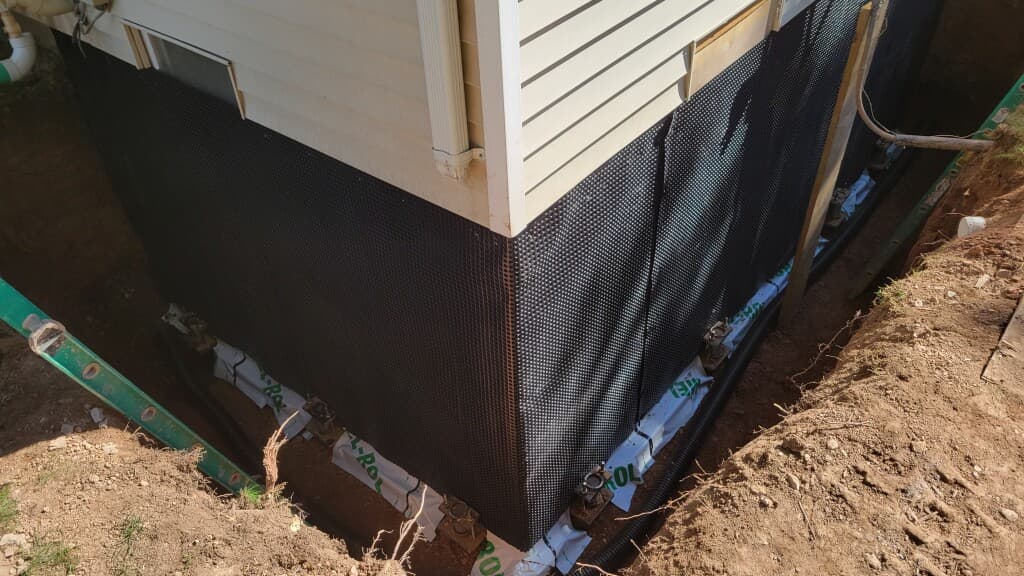
* Dimpled HDPE Membranes: Products like DELTA®-MS are heavy-duty, high-density polyethylene (HDPE) membranes featuring a unique 'air-gap' technology. This dimpled pattern creates a physical separation between damp soil and the concrete wall, allowing hydrostatic pressure to dissipate and directing water towards perimeter drains. These membranes are flexible, can bridge minor cracks, and boast a service life of over 50 years. They are ideal for full basements and Crawl Space services to prevent moisture migration.
* Fluid-Applied Membranes: These systems involve spray-applied, cold-applied products that create durable, seamless waterproofing membranes. They excel at bridging substrate shrinkage cracks and eliminating problems at joints, offering consistent coverage even on complex foundation geometries. Polyguard's Stretch Flex, for instance, uses thermoplastic technology to create a seamless, crack-bridging barrier. Elastomeric coatings and advanced polymer coatings also fall into this category, forming seamless, highly resistant barriers.
* Self-Healing Membranes: Some of the most innovative advancements include self-healing membranes. These can automatically repair small cracks or punctures thanks to embedded polymers that react to damage. Another example is sodium bentonite clay, which creates a 'living shield' that repairs itself by expanding when it comes into contact with water, effectively sealing breaches.
Integral & Smart Waterproofing Solutions: Proactive Protection
Beyond physical barriers, 2025-2026 brings smarter and more integrated approaches to moisture control.
* Crystalline Waterproofing: This innovative technology involves chemical treatments that penetrate concrete surfaces. They react with moisture to form insoluble crystals, effectively blocking water penetration into the concrete itself. This provides integral waterproofing, enhancing the durability and longevity of concrete structures, especially for below-grade applications like basements and foundations.
* Smart Waterproofing Systems: Leveraging the Internet of Things (IoT) and sensor technology, smart waterproofing systems offer real-time monitoring of moisture levels and early detection of potential leaks. These systems can send immediate alerts to your smartphone, providing proactive protection and allowing for remote monitoring and predictive maintenance. This means you can catch issues before they escalate into major damage. Imagine receiving an alert the moment a slight moisture increase is detected, giving you time to act before a major flood occurs.
* Eco-Friendly Options: With a growing emphasis on sustainability, eco-friendly waterproofing products are gaining traction. These non-toxic materials, often crafted from recycled content, minimize environmental impact while still providing highly effective moisture barriers, contributing to healthier indoor air quality.
Integrated Drainage and Structural Integrity: A Multi-Layered Defense
Even the most advanced membranes work best when integrated with effective drainage and targeted Structural Wood Repair solutions. A 'hybrid defense' combining various systems is increasingly considered the new gold standard.
Comprehensive Drainage Systems
Managing water before it reaches your foundation is paramount. Modern Drainage Systems are designed to collect and redirect water away from your home's vulnerable areas.
* Exterior Drainage: Traditional methods like French drains and footing drains, installed around the perimeter of your foundation, remain crucial for diverting groundwater. These systems prevent hydrostatic pressure buildup against foundation walls.
* Interior Drainage Systems: When exterior excavation isn't feasible or sufficient, interior systems provide an excellent solution. Perimeter drains, often installed beneath the basement floor slab, intercept water and channel it to a sump pump, effectively removing it from the structure. Sump pumps themselves have advanced, with options like battery-powered backups for protection during power outages.
Advanced Foundation Maintenance
Even new foundations can develop shrinkage cracks, and older homes often have existing fissures. Modern maintenance methods offer durable, flexible solutions:
* Polyurethane Sealants: Unlike rigid epoxy, polyurethane sealants are flexible, expanding and contracting with foundation shifts to maintain a tight, water-resistant seal over time. They are ideal for filling cracks and minor openings in walls.
* Structural Injection Kits: For structural cracks, two-part injection kits permanently seal fissures, restoring structural integrity and blocking water intrusion.
Navigating Southern California's Latest Building Codes (2025-2026)
For homeowners and property managers in Southern California, staying abreast of local and state building regulations is crucial. The California Building Standards Code (Title 24, 2025 Edition) became mandatory on January 1, 2026. This new code cycle brings significant changes that directly impact foundation systems, seismic retrofitting, and overall structural compliance.
One of the most notable updates is a move towards more rigorous seismic resilience. The 2026 Code now requires exterior and certain interior braced wall panels to be supported by continuous and solid foundations in Seismic Design Categories D0, D1, and D2. This emphasizes continuous load paths and enhanced seismic distribution throughout a structure. This means older, segmented foundation supports may no longer meet current standards for certain renovations or retrofits. PiersPro's deep understanding of these complex engineering requirements ensures your waterproofing and foundation work is not only effective but also fully compliant with the latest regulations, providing long-term safety and preventing costly revisions.
Furthermore, the Los Angeles Department of Building and Safety (LADBS) continues to emphasize the importance of inspections throughout the construction process, including the waterproofing stage. All waterproofing work must be inspected and approved before being covered up. At PiersPro, we pride ourselves on meticulous planning and accurate documentation from the outset, ensuring smooth LADBS compliance and seamless project execution.
Your Foundation Waterproofing Options: A Snapshot
Choosing the right waterproofing strategy depends on your home's specific needs, foundation type, and water intrusion issues. Here's a brief overview of modern solutions:
| Waterproofing Method | Description | Pros | Cons |
|---|---|---|---|
| Exterior Membranes | Dimpled HDPE or fluid-applied membranes on external foundation walls. | Blocks water at source, long-lasting (50+ years), dissipates hydrostatic pressure. | Requires excavation, higher initial cost, disruptive. |
| Interior Drainage Systems | Perimeter drains and sump pumps installed inside the basement/crawl space. | Less invasive, effective for active leaks, manages existing water. | Does not stop water from entering walls, requires professional installation. |
| Crystalline Waterproofing | Chemical treatment that penetrates concrete, forming water-blocking crystals. | Permanent integral solution, enhances concrete durability. | Best for new concrete or minor seepage; may not address large cracks. |
| Smart Waterproofing Systems | Sensors and IoT technology for real-time moisture monitoring and alerts. | Early detection, remote monitoring, proactive protection. | Often supplemental to physical barriers, potential subscription costs. |
| Foundation Maintenance | Epoxy or flexible polyurethane injections for foundation cracks. | Seals specific entry points, restores structural integrity. | Only addresses cracks, not comprehensive moisture control. |
Frequently Asked Questions About Foundation Waterproofing
Q1: How long do modern foundation waterproofing systems typically last?
A: The lifespan of modern waterproofing systems, especially those professionally installed, can range from several decades to over 50 years, depending on the materials and environmental conditions. Advanced dimpled membranes, for instance, are engineered for exceptional longevity.
Q2: Is exterior or interior waterproofing better for a Southern California home?
A: Both exterior and interior waterproofing methods have their merits, and the 'best' solution depends on your specific situation. Exterior waterproofing is often considered the most comprehensive as it addresses water at its source before it enters the foundation. However, it is more disruptive and typically more expensive due to excavation. Interior systems are less invasive and highly effective at managing existing water intrusion. Often, a combination or 'hybrid defense' approach is the most effective and provides the most robust protection, especially given Southern California's seismic considerations and updated building codes.
Q3: How do I know if my foundation needs professional waterproofing?
A: Look for common signs such as a musty smell in your crawl space or basement, visible dampness or puddles after rain, efflorescence (white, powdery residue) on concrete or masonry, bowing or cracking foundation walls, or increased humidity indoors. These are all indicators that water is intruding and professional assessment is needed. Early detection by experts like PiersPro can prevent minor issues from becoming major structural problems.
Q4: Will waterproofing my foundation increase my home's value?
A: Absolutely. A professionally waterproofed foundation significantly improves your home's resale value. Buyers are increasingly aware of potential water damage issues and are willing to pay more for a home with a dry, healthy foundation. Waterproofing prevents costly future repairs, mitigates mold risks, and protects structural integrity, making your home a more attractive and secure investment.
Protect Your Southern California Home with PiersPro
Don't let water compromise the safety and value of your Southern California home. With the latest innovations in foundation waterproofing and our commitment to engineered, permanent solutions, PiersPro is your trusted partner. Our team of expert structural engineers and general contractors is equipped with the knowledge and technology to provide a high-value, lasting solution tailored to your property's unique needs, ensuring compliance with the stringent 2026 California Building Standards Code.
From advanced membrane systems and smart monitoring to integrated drainage and precision Structural Wood Repair, we're here to protect your investment. Contact PiersPro today for a personalized assessment and a permanent solution.
Call us now at (213) 583-6669 or [book a instrumental diagnosis](/free-inspection) online to get started!